




Utmost good faith
Insurance Policyholder Taxation Manual, published by HM Revenue & Customs on 19 March 2016, defines utmost good faith: (or uberrima fides) as: ‘a duty laid on the parties to an insurance contract, especially the proposer, of greater force than ordinary good faith, requiring full disclosure of all facts which are or might be material to the contract; this duty subsists throughout negotiations over the terms of the contract and until the contract has been concluded, and may be maintained during the period of the contract if the policy so provides.’
See also: Good faith.
[edit] Related articles on Designing Buildings
Featured articles
Check out some of the best features and news from Designing Buildings as well as key stories from around the web.

CIOB reports 57% are using artificial intelligence technologies.

More of England’s ‘hidden heroes’ will be celebrated.

CIAT calls for retrofit to be a priority.
Version 6 is now available, along with guidance for ECA members.

Post-War Homes: mid-century British architecture. Book review.

CIAT reflects on the party conferences.

CIOB announce the winners of the Art of Building photography competition.

National Scheme of Delegation introduced.
The cost of employing people remains a concern.
Code of Practice for Electrical Energy Storage Systems.

ECA calls on members to comment on draft 4th edition.
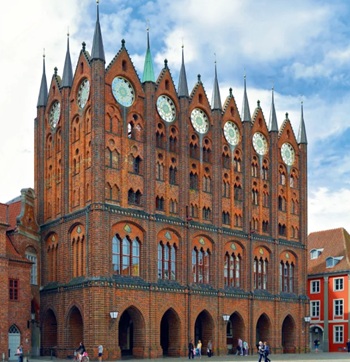
Bringing together expertise and creating cultural benefits.

CIOB celebrates positive Ofsted report.
Comments
[edit] To make a comment about this article, or to suggest changes, click 'Add a comment' above. Separate your comments from any existing comments by inserting a horizontal line.